Nilagang Baka Recipe
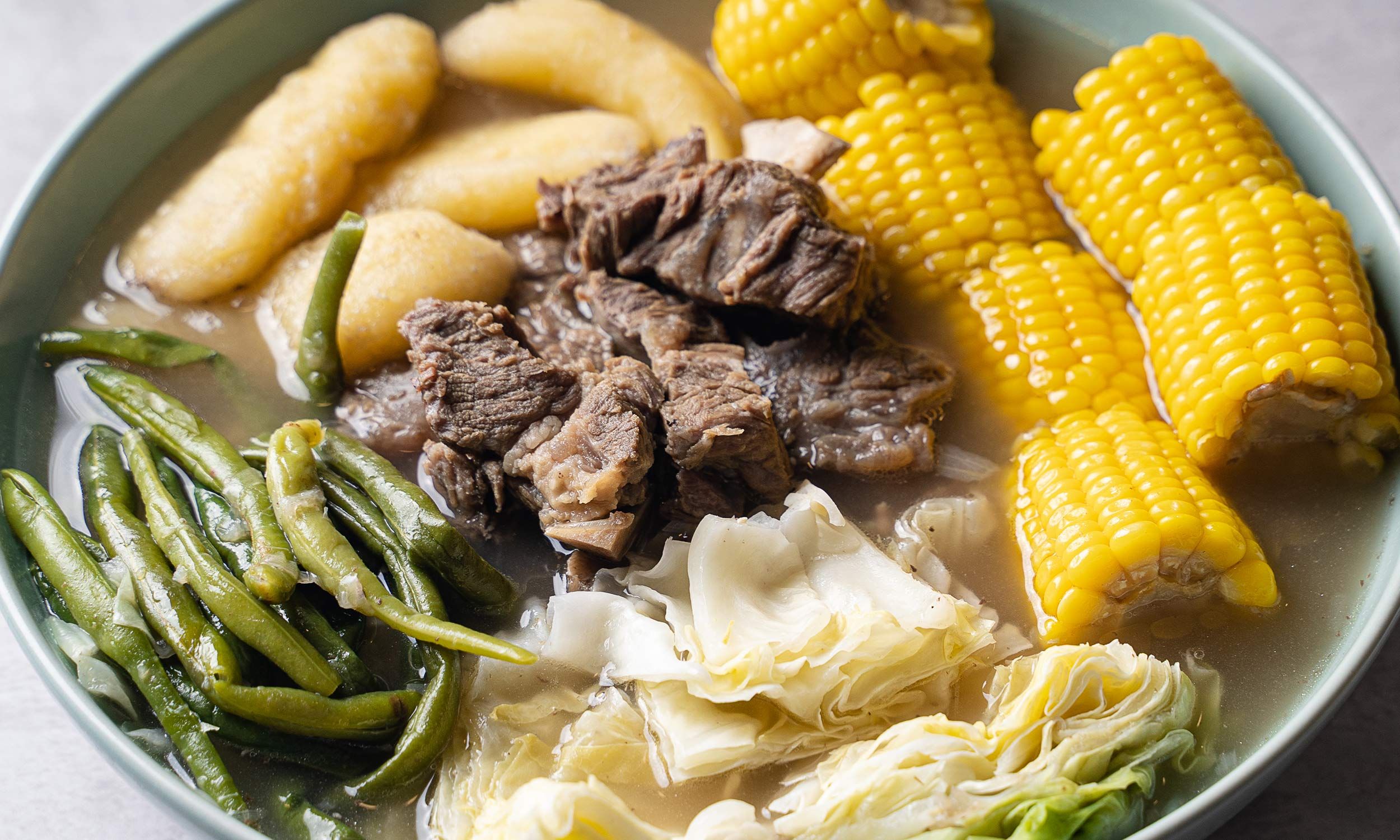
Philippine Daily Inquirer: ‘Ma-Kut,’ ‘nilagang pata ng baka,’ ‘balbacua’–hearty soups for the sodden days MANILA, Philippines — For pork lovers who want to keep it light and healthy, Nilagang Pata should be the perfect compromise. No heavy cooking in fat, no feeling of greasy fullness in the tummy. Just ... Although the origins of baka are uncertain, Japanese scholars have proposed various etymologies and folk etymologies. The two most widely cited are a Classical Chinese idiom and a loanword from Sanskrit. “Baka” (馬鹿 or バカ) is a Japanese word meaning “fool,” “stupid,” or “idiot.” It’s often used as a playful insult — like calling someone silly — but can also express frustration or affection, depending on tone and context. Anta baka? What are you, stupid? Baka is a Japanese word that means “crazy,” “foolish,” or downright “stupid.” It can also be used as a noun for “a fool” or “a crazy or stupid person.” Anime and manga fans in the West have adopted the use of baka as a (usually joking) insult. For related background details, please refer to our report on Hazelnut Cookie Recipe. What Does “Baka” Mean in Japanese? The Japanese word “baka” can be written in hiragana, katakana, and kanji: ばか, バカ, and 馬鹿. Depending on the nuance, context, and tone of the speaker, it can range from a playful “you dummy” to an offensive insult heaped upon a man and his household. Baka is a Japanese word that directly translates to "fool" or any of its synonyms such as "idiot" and "moron." Online, the pejorative term has been used both ironically and unironically by Otakus and its detractors poking fun at anime culture alike.
Overview & Details on Nilagang Baka Recipe
Further context can also be found in Mushroom Tart Recipe.
Key Takeaways & Summary
Additional coverage is available on Brisket Recipe Instant Pot.